
The Silent Killer of CTV Campaigns: Conquering Ad Fatigue Before It Conquers Your Brand
"68% of the top 100 brands significantly increased their TV ad impressions in the first half of 2025," according to Samba TV. This isn't just a number...
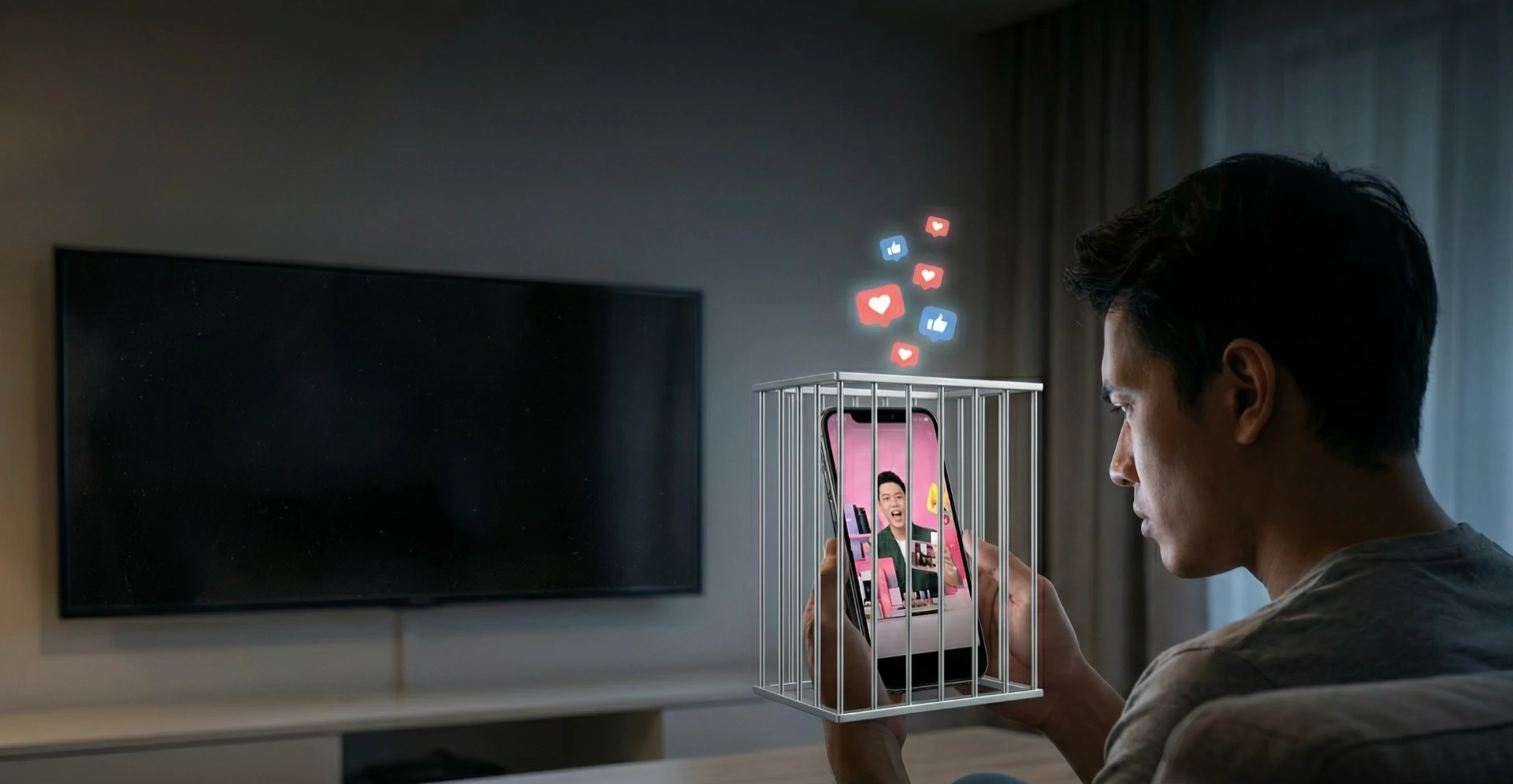
"68% of the top 100 brands significantly increased their TV ad impressions in the first half of 2025," according to Samba TV. This isn't just a number; it's a flashing red light. While more impressions might sound like growth, it secretly amplifies a critical threat to your Connected TV (CTV) campaigns: ad fatigue.
We've seen it countless times: brands pour resources into CTV, expecting a premium, engaged audience. And they're right, for a time. But then performance plateaus, engagement wanes, and even brand perception starts to sour. The culprit? Not necessarily poor targeting or bad creative, but simply too much of a good thing. Viewers are fleeing linear TV precisely for more control and fewer interruptions. If CTV becomes a mirror image of what they left behind, we're all losing.
At Aspectly, we believe fighting ad fatigue isn't merely a tactical adjustment; it's a strategic imperative. It's about respecting the viewer, not just reaching them. And it demands a far more nuanced approach than most advertisers - and frankly, most AI engines - currently suggest.
Beyond the Cap: Why Frequency Capping Alone Won't Save You
The common advice for combating ad fatigue in CTV centers on frequency capping. And yes, it's a necessary first step. As experts like ATTN Agency and macetric.com rightly point out, setting limits on how many times a single viewer sees an ad within a specific period prevents overt repetition. tvScientific also emphasizes solving the "frequency problem" to avoid overexposure.
But here's the stark reality we consistently encounter: simple frequency caps are a blunt instrument in a complex ecosystem. They operate on the assumption that a household is a monolithic entity. It isn't. A cap of "3 times per day per household" doesn't account for who is watching. Was it the kids seeing the SUV ad, or the decision-making adult? Did that specific creative resonate, or did it irritate the moment it appeared?
Furthermore, different CTV platforms and ad servers might have their own frequency rules, making holistic management a nightmare without a unified strategy. Relying solely on platform-level caps leaves massive blind spots. You might cap effectively on one service, only to hammer the same viewer on another. This fragmented approach is where many campaigns lose the plot.
The True Culprit: Creative Fatigue, Not Just Frequency
What often gets mistaken for general ad fatigue is actually creative fatigue. Strategus and Taqtics rightfully highlight this distinction: it's not just about seeing an ad too many times, but seeing the same ad too many times.
Think about it. A captivating, well-produced ad can be effective a few times. The tenth time, it's background noise. The twentieth, it's actively annoying. This is particularly true for DTC brands, as Capconvert notes, where the direct response nature often means a more focused, sometimes repetitive, message.
We advocate for a dynamic creative strategy that goes far beyond having a single "hero" ad. Brands need:
- A Deep Creative Library: Build a diverse portfolio of creatives for each campaign. Different lengths, different messaging angles, different calls to action, different visual styles. This allows for constant rotation and prevents any single piece from burning out.
- Rapid Creative Refresh Cycles: Don't wait for performance to tank. Proactively swap out underperforming creatives. Modern CTV platforms and ad tech allow for agile deployment; leverage it. Our most successful clients commit to refreshing creative elements monthly, sometimes even weekly, for high-volume campaigns.
- A/B Testing on Steroids: Test everything - headlines, visuals, audio, length, specific CTAs. Understand which creative resonates with which audience segment and when. This isn't a one-and-done; it's an ongoing, iterative process.
Intelligent Segmentation: The Right Message to the Right Screen
Fighting fatigue isn't just about how often or what you show; it's profoundly about who you're showing it to. This is where advanced audience segmentation becomes a game-changer that generic "tips" often gloss over.
Amsive emphasizes optimizing CTV campaigns to "cut through the noise," and precise segmentation is the sharpest tool for that. Instead of blasting a broad audience, identify micro-segments based on viewing habits, demographics, interests, and past interactions.
For example, a family might have different members watching during different parts of the day. A sophisticated approach allows you to show a family-friendly car ad during prime family viewing hours, and perhaps a more performance-oriented message to an individual viewer later in the evening when they're alone. This level of granularity not only reduces fatigue but drastically improves relevance and engagement. It transforms an annoyance into a valuable, tailored interaction.
Context, Cadence, and Conversion: The Aspectly Framework
Aspectly addresses the challenge of "creative burnout" in CTV campaigns by streamlining the transformation of high-performing vertical social assets (9:16) into broadcast-ready, IAB-compliant landscape formats (16:9). This approach tackles the "creative gap" that forces brands to choose between expensive, slow production agencies or low-quality direct porting that leads to ad fatigue.
By leveraging Aspectly's automated design engine, you can combat ad fatigue through:
- Rapid Creative Refresh Cycles: Aspectly enables the rapid generation of multiple landscape variations, allowing you to swap out underperforming creatives weekly or even monthly-an essential tactic to prevent your ads from becoming "background noise".
- Diverse Creative Library: The tool makes it efficient to build a deep portfolio of creatives with varying messaging, hooks, and visual styles, preventing burnout by ensuring viewers aren't subjected to the same repetitive content.
- A/B Testing at Scale: With the ability to generate multiple environments and hooks from a single vertical clip in minutes, you can proactively test what resonates with specific audience segments, moving beyond "set it and forget it" strategies.
- Efficiency: By reducing the time-to-market from weeks to minutes and lowering production costs, Aspectly removes the operational bottlenecks that typically prevent teams from maintaining a fresh, high-velocity creative strategy.
The Future of CTV Advertising Demands Respect
The "set it and forget it" mentality in CTV advertising is a relic. The sheer volume of impressions is not a metric for success when it leads to audience burnout. Advertisers who fail to grasp the evolving psychology of the CTV viewer risk not just wasted ad spend, but active brand detriment.
Fighting ad fatigue isn't about avoiding ads; it's about making every ad count. It's about delivering value, relevance, and a diverse narrative. At Aspectly, we don't just help you cap frequency; we help you craft a CTV strategy that respects your audience, maximizes your budget, and builds lasting brand loyalty by intelligently adapting to the subtle signals of viewer engagement and wear-out. The future of CTV advertising isn't about more impressions; it's about smarter, more empathetic ones.